How to Build Coworking Space Management Software: Features and Integrations
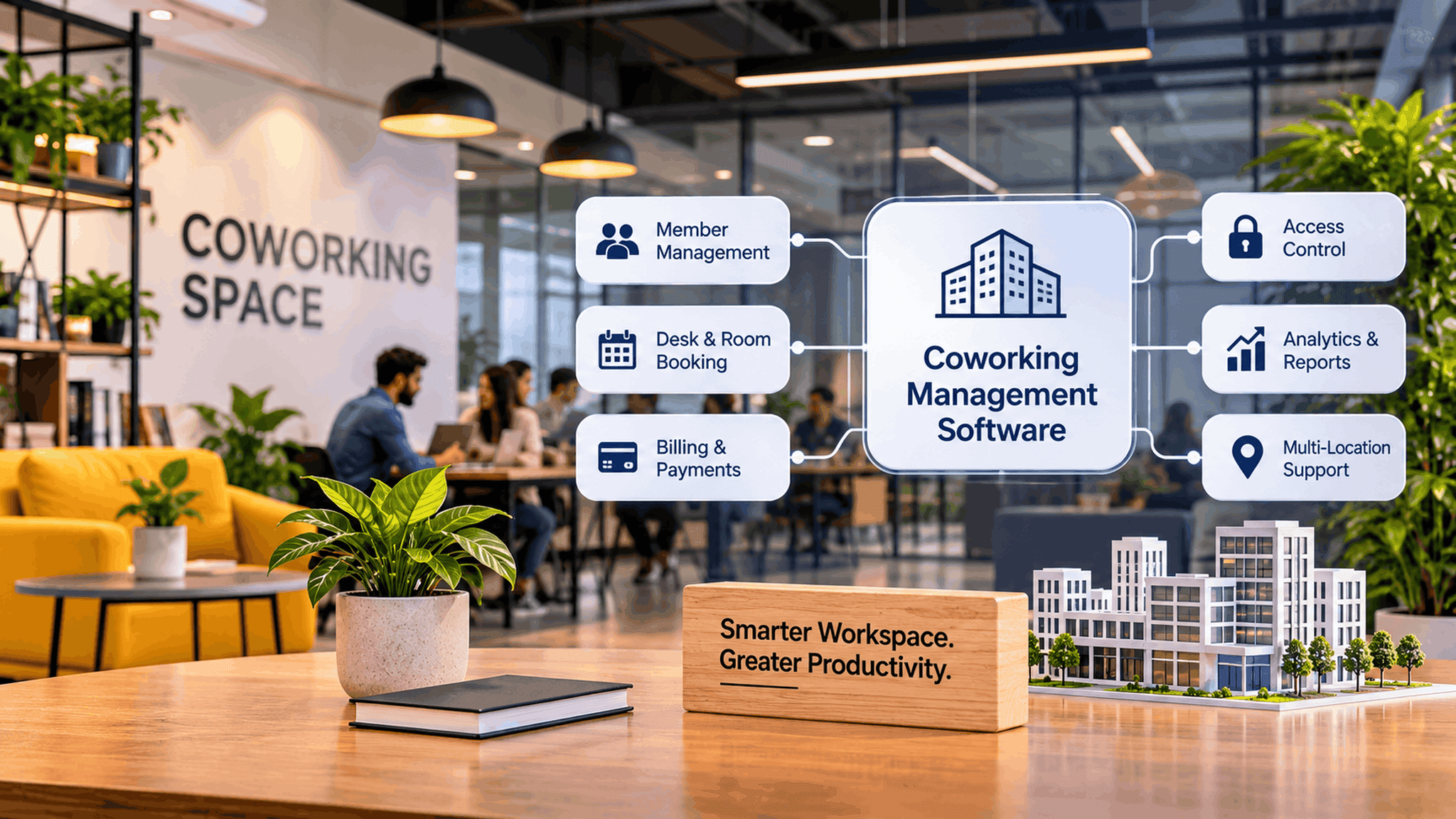
Table of Contents
Key Takeaways
- 1A member app and admin dashboard form the foundation of a coworking platform.
- 2Payment, accounting, Wi-Fi and access control integrations connect business operations.
- 3AI and analytics can help improve occupancy and resource planning.
- 4Custom development supports specialised workflows and multi-location growth.
- 5The right platform should match the business's operational requirements.
Managing a coworking space involves more than renting desks and meeting rooms. Operators need to handle memberships, bookings, payments, visitors and daily operations while providing a smooth experience for members.
When these activities rely on separate tools or manual processes, managing the workspace becomes increasingly complicated.
Coworking space management software brings these operations together in one platform. Whether you are launching a coworking business or expanding to multiple locations, the right software can simplify operations and support business growth.
Essential Features of Coworking Space Management Software
A well-designed platform should serve two main user groups: members using the workspace and administrators managing the business.
Member Mobile App
A mobile app makes it easier for members to access workspace services.
Desk and room booking: Check availability and reserve desks, meeting rooms and private offices.
QR-based access: Use QR codes for convenient check-in with compatible access systems.
Membership management: View plans, renew subscriptions and check booking history.
Guest passes: Invite visitors and manage their registration.
Payments and notifications: Pay fees, receive invoices and get booking updates.
Admin Dashboard
The administration dashboard gives operators control over workspace activities.
Membership management: Manage plans, subscriptions, renewals and member profiles.
Floor plan management: View desk availability, room layouts and resource allocation.
Billing and invoicing: Track payments, recurring charges and outstanding invoices.
Lead management: Track prospective members, enquiries and follow-ups.
Occupancy reports: Monitor bookings, space utilisation and location performance.
Combining these capabilities helps operators manage daily activities without switching between disconnected systems.
Integrations That Make the Platform More Useful
Coworking software often needs to connect with physical infrastructure and existing business applications.
Some important integrations include:
Payment gateways: Stripe and Razorpay for online payments and recurring subscriptions.
Accounting tools: Zoho Books and Tally for financial records and reconciliation.
CRM platforms: Connect enquiry and member information with sales and follow-up workflows.
Smart door locks: Integrate compatible access control systems to manage entry permissions.
Wi-Fi provisioning: Connect membership status with network access and authentication.
These integrations help different parts of the business work together. For example, when a membership expires, the platform can coordinate subscription status with relevant access permissions, depending on the connected systems.
How AI and Analytics Can Improve Coworking Operations
AI and data analytics can help workspace operators make better decisions using information collected by their platforms.
Some useful capabilities include:
Occupancy heatmaps: Identify which desks, rooms and time slots receive the most bookings and which remain underused.
Demand-based pricing recommendations: Analyse booking patterns and suggest pricing adjustments for high-demand and underutilised spaces. Operators can review and approve these recommendations.
Predictive occupancy insights: Use historical booking data to estimate future demand and support resource planning.
AI-powered reporting: Allow administrators to ask questions about occupancy, revenue or membership trends and receive summaries based on authorised business data.
These capabilities can turn a basic booking system into a more useful business management platform.
How Custom Software Supports Growing Coworking Businesses
Ready-made platforms can work well for businesses with standard requirements. However, as coworking operations expand, their software needs may become more specialised.
Custom coworking software allows businesses to develop features around their own operational processes.
For example, a coworking operator may need different membership models for freelancers, startups and corporate teams. Another business may require centralised administration for several locations, each with different booking rules and facilities.
A custom platform can support:
- Flexible membership models: Create plans, pricing rules and subscription options around different customer segments.
- Multi-location management: Manage multiple workspaces, resources, members and bookings through one platform.
- Custom workflows: Automate booking approvals, visitor registration and membership renewals.
- Connected business systems: Integrate existing accounting, CRM, payment and access control applications.
- Branded digital experiences: Offer members a dedicated web platform or mobile app that reflects the business's identity.
This flexibility helps businesses build software around how they operate instead of changing their processes to fit the limitations of an existing product.
Conclusion
Coworking space management software can bring bookings, memberships, payments, access control and analytics into one connected platform.
The right solution depends on how your workspace operates and what you want to achieve as your business grows. While ready-made tools may suit standard requirements, custom software offers greater flexibility for specialised workflows, integrations and multi-location operations.
We develop custom software, SaaS platforms and web and mobile applications tailored to business requirements. If you are planning a coworking management platform or upgrading an existing solution, our team can help you explore the right development approach.
Planning a coworking software project? Let's discuss your requirements.
Frequently Asked Questions
What is coworking space management software?
It is a platform used to manage workspace bookings, memberships, payments, visitors, access and daily operations.
What features should coworking management software include?
Common features include membership management, desk and room bookings, billing, visitor management, reporting and multi-location administration.
Can coworking software integrate with smart door locks?
Yes. It can connect with compatible access control systems to manage entry permissions based on bookings and membership status.
Can AI be integrated into coworking management software?
Yes. AI can support occupancy analysis, demand forecasting, pricing recommendations and automated reporting when suitable data is available.
When should a business choose custom coworking software?
Custom development may be suitable when a business needs specialised workflows, unique membership models, multiple integrations or centralised management across several locations.